
Geneva, a city with a rich history, stands as a beacon of democracy not only within Switzerland but also on the global stage. With its complex and well-structured political system, Geneva represents the democratic principles at the core of Swiss governance. This article dives deep into the institutions and processes that make Geneva a democratic powerhouse, giving insight into how the canton operates, the rights of its citizens, and the essential role that various political bodies play in shaping the region.
The Grand Conseil: Geneva’s Legislative Powerhouse
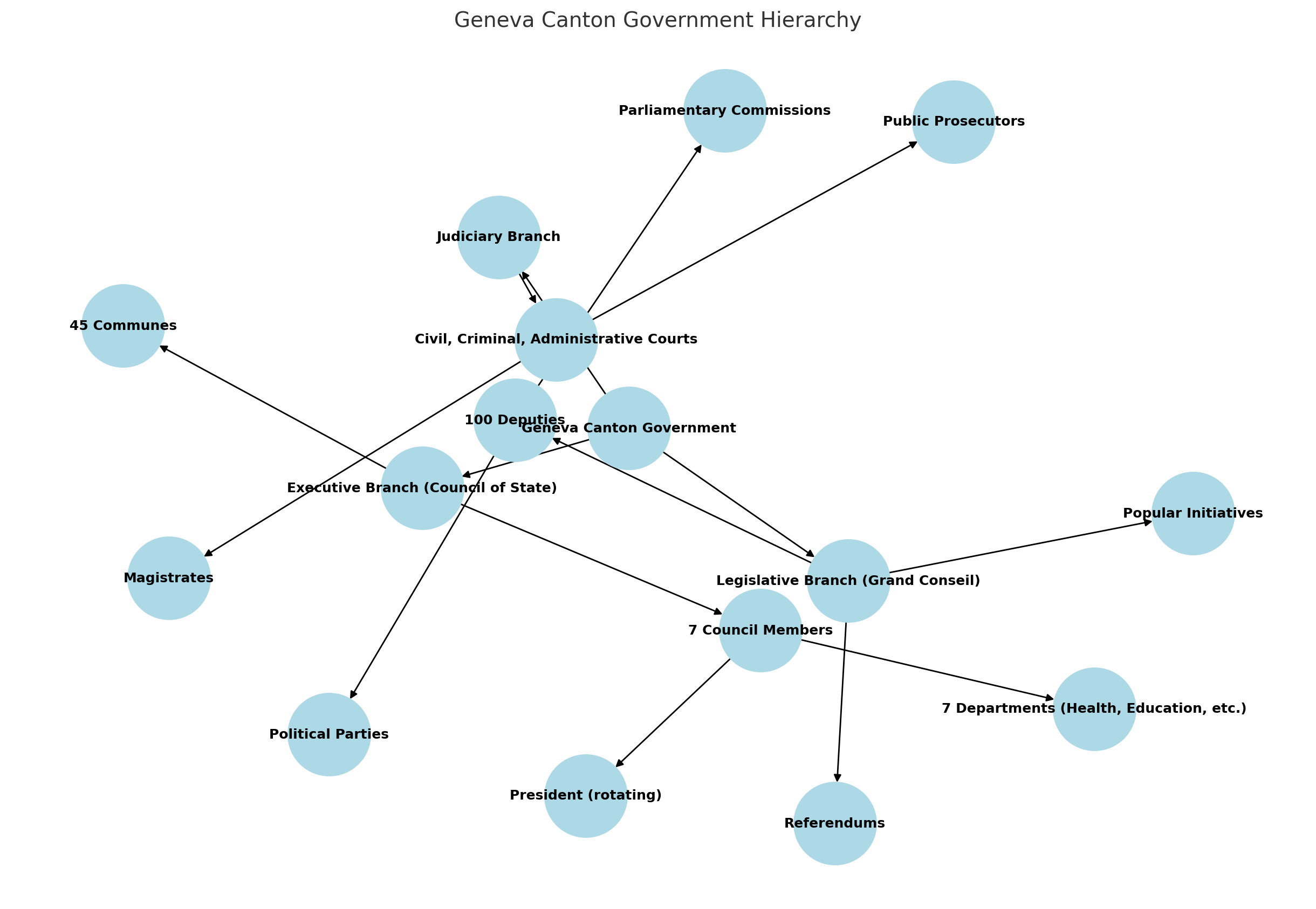
The Grand Conseil is the heart of Geneva’s legislative framework. As the canton’s parliament, it plays a crucial role in the decision-making process, voting on laws, approving budgets, and allocating investment credits. The Grand Conseil consists of 100 deputies who represent the canton’s political diversity. In 2023, Geneva’s legislative body included seven major political parties, ranging from the Radical Liberal Party to the Green Party, reflecting the wide range of political beliefs in the canton.
Beyond simply passing laws, the Grand Conseil exercises legislative power through adopting, repealing, or amending regulations. It also oversees the decisions made by the Council of State, ensuring checks and balances between the legislative and executive branches. Every year, the Bureau of the Grand Conseil, which includes a president and vice-presidents, organizes the parliament’s work to maintain efficiency and transparency.
One fascinating aspect of Geneva’s legislative process is the parliamentary commissions. These smaller groups of deputies focus on specialised topics like education, finance, transport, and security, preparing laws for discussion by the full parliament. This level of specialisation ensures that laws are crafted with care and deep understanding of their societal impact.
The Role of the Council of State: Executive Governance in Action
While the Grand Conseil makes the laws, the Council of State acts as the executive body of the canton. The Council is responsible for implementing the laws passed by the parliament, managing public services, and overseeing Geneva’s administration. It consists of seven members, each from different political backgrounds, who are elected for a five-year term.
Once elected, the Council members work together in a collegial fashion, rotating the presidency annually. The Council is divided into seven departments, each responsible for critical areas like health, education, and transport. Through weekly closed-door meetings, the Council of State manages Geneva’s public institutions, from schools to hospitals, and ensures smooth governance.
One of the Council’s most critical tasks is managing the budget. For instance, Geneva’s budget in 2022 was around 9 billion Swiss francs, used to finance various public services and infrastructure projects. The Grand Conseil must approve this budget, ensuring that the canton’s financial resources are used efficiently and responsibly.
Popular Democracy: The Role of Referendums and Initiatives
One of the most remarkable aspects of Swiss democracy is the ability of citizens to participate directly in the legislative process through referendums and popular initiatives. In Geneva, any decision made by the Grand Conseil can be contested by a group of citizens through a referendum. Citizens have 40 days to collect signatures, and if they gather enough, the contested decision is put to a public vote. This system allows citizens to have the final say on important issues, giving them a powerful voice in the canton’s governance.
Similarly, citizens can propose new laws or constitutional amendments through a popular initiative. Two types of initiatives exist: constitutional and legislative. A constitutional initiative allows citizens to propose changes to the cantonal constitution, while a legislative initiative proposes new laws or amendments. If a group of citizens collects the required number of signatures, the initiative is submitted to a public vote, ensuring that democracy is a bottom-up process in Geneva.
These direct democratic tools allow citizens to shape their canton’s future actively. The Grand Conseil must respond to these initiatives within 12 months, and if the initiative is accepted, it becomes law. Even if the Grand Conseil opposes the initiative, it can propose a counterproposal, allowing citizens to choose between two alternatives during a vote.
Justice and Fairness: The Judiciary’s Role
Geneva’s judiciary system ensures that laws are applied fairly and that justice is served. The judiciary power consists of civil, criminal, and administrative courts that resolve disputes and enforce laws. Judges and magistrates, including the public prosecutor, play vital roles in ensuring justice for all citizens. They remain impartial while ensuring that laws are upheld, and the public prosecutor’s office investigates crimes and leads prosecutions.
The judiciary also provides a system for citizens to appeal decisions. If someone disagrees with a ruling, they can appeal to higher courts, such as the cantonal appeal court or, in some cases, the Federal Tribunal. This ensures that citizens have multiple layers of recourse, maintaining the integrity of Geneva’s legal system.
Local Governance: The Role of Communes
Geneva is divided into 45 communes, each with its local government. The largest of these is the city of Geneva itself. Each commune has both a deliberative and executive authority. The deliberative body, or municipal council, is responsible for passing local regulations and managing the commune’s budget. The administrative council or mayor serves as the executive authority, ensuring the proper implementation of laws and the smooth functioning of public services.
Communal autonomy is guaranteed by the Federal Constitution, although in Geneva, the autonomy is relatively limited compared to other Swiss cantons. Communes manage issues like urban planning, waste management, and cultural events. Their role is essential for maintaining Geneva’s unique local identity within the broader context of cantonal governance.
Voting and Elections: The Core of Democracy
Geneva’s political system places a strong emphasis on the right to vote. Swiss citizens aged 18 and over can participate in elections and referendums. Voting materials are distributed by mail, and over 90% of votes in Geneva are cast by mail, making the process accessible and convenient for citizens.
Interestingly, Geneva is one of the few Swiss cantons where foreigners can vote at the communal level. Non-Swiss residents who have lived in Geneva for at least 8 years can participate in local elections, reflecting the inclusive nature of Geneva’s democracy. Political parties, which unite citizens around shared values, also play a vital role in shaping public discourse and governance.
Cross-Border Cooperation: Greater Geneva
Geneva’s influence doesn’t stop at its borders. The Grand Genève project is a cross-border metropolitan area that includes parts of France and Switzerland, encouraging cooperation on issues like urban planning, transportation, and environmental sustainability. This collaboration addresses challenges such as housing shortages, employment, and preserving natural resources.
More than 80% of Greater Geneva is composed of forests, agricultural lands, and green spaces. The project fosters environmental protection and biodiversity preservation, showing Geneva’s commitment to sustainable development. Additionally, Geneva’s location as a hub for international organizations and its collaboration with neighboring regions enhance its role as a global city.
Conclusion
Geneva is not just a canton; it’s a symbol of democracy, justice, and international cooperation. From the Grand Conseil and Council of State to the judiciary and communes, Geneva’s political structure empowers citizens at every level. Direct democracy through referendums and initiatives allows for an engaged and active populace, while cross-border projects like Grand Genève show Geneva’s forward-thinking approach to international collaboration. By understanding the structures and systems that govern Geneva, we can appreciate the complex and beautiful machinery that ensures democracy thrives in this corner of Switzerland.
 Maq Masi Blog
Leave a comment