
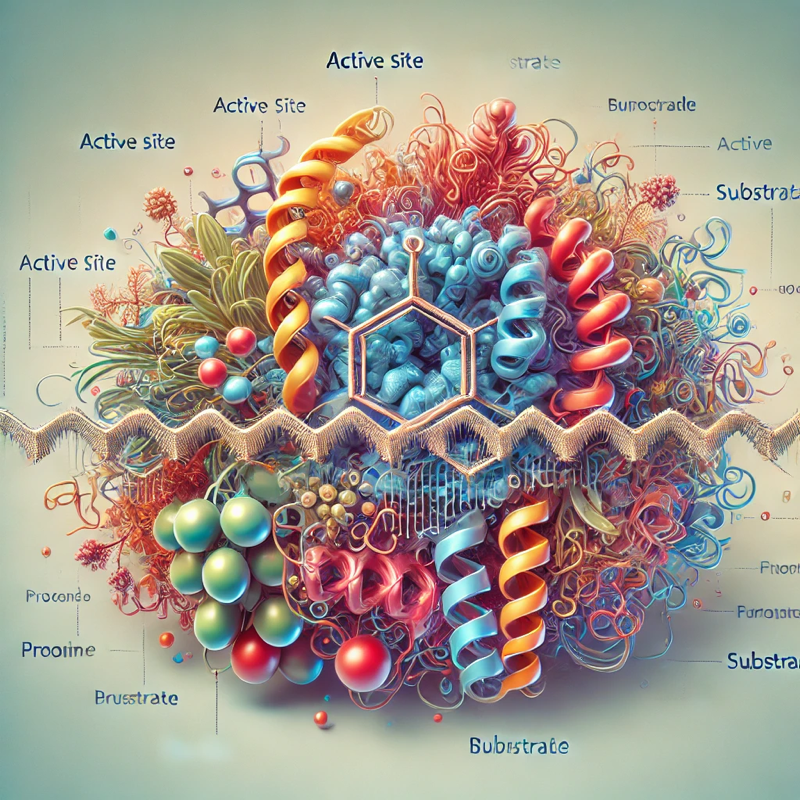
Ever wondered how your body transforms the food you eat into energy, repairs damaged tissues, or even breathes? The answer lies in enzymes—tiny biological catalysts that make life possible. In this article, we’ll explore what enzymes are, why they’re essential for human health, how they’re sourced, and what happens when the body lacks them. Whether you’re a health enthusiast or just curious, this guide will unveil the fascinating world of enzymes.
What Are Enzymes?
Enzymes are biological molecules, primarily proteins, that accelerate chemical reactions in the body. They are like highly specialized workers, each assigned a specific task to keep your body running efficiently. Without enzymes, processes like digestion, energy production, and cell repair would occur too slowly to sustain life.
Key Functions:
• Digestive Enzymes: Break down food into nutrients.
• Amylase: Converts carbohydrates into simple sugars.
• Lipase: Breaks down fats into fatty acids and glycerol.
• Protease: Processes proteins into amino acids.
• Metabolic Enzymes: Aid in cellular repair and energy production.
Why Are Enzymes Essential?
Enzymes are vital for maintaining overall health and bodily functions. Here’s why:
1. Efficient Digestion: They break down food so your body can absorb essential nutrients.
2. Energy Production: Enzymes like ATP synthase are crucial for converting nutrients into usable energy.
3. Detoxification: Enzymes help eliminate harmful substances from the body.
4. Healing and Repair: Promote cell regeneration and tissue repair.
Where Does the Body Get Enzymes?
1. Naturally Produced: The pancreas, stomach, and other organs produce enzymes to aid digestion and metabolism.
2. Dietary Sources: Enzymes can be found in raw foods such as:
• Pineapple (Bromelain for protein digestion).
• Papaya (Papain for anti-inflammatory effects).
• Fermented foods like yogurt and kimchi.
3. Supplements: For those with enzyme deficiencies, supplements are available at pharmacies (e.g., digestive enzyme blends). Always consult a healthcare professional before starting any supplement.
What Happens If You Lack Enzymes?
Enzyme deficiencies can lead to:
• Digestive Issues: Bloating, gas, and malabsorption of nutrients.
• Metabolic Disorders: Fatigue and reduced ability to repair tissues.
• Chronic Illnesses: Conditions like lactose intolerance occur due to the absence of specific enzymes (e.g., lactase).
Can You Add Enzymes to Your Diet?
Yes, enzymes can be sourced or supplemented:
• Natural Methods: Extracted from plants using purified, distilled, or natural water. Examples include bromelain from pineapple or papain from papaya.
• Pharmaceutical Methods: Derived through processes outlined in pharmacopoeias, such as freeze-drying and filtration.
• Alcohol-Based Preparations: While alcohol can be used as a solvent, it may introduce alkaloid-like compounds, altering the enzyme’s purity.
Enzymes vs. Vitamins: What’s the Difference?
While both are essential for health, enzymes and vitamins serve different roles:
• Enzymes: Catalysts that enable biochemical reactions.
• Vitamins: Organic compounds that assist enzymes but don’t catalyze reactions themselves.
Think of enzymes as workers, and vitamins as the tools they need to complete their tasks.
How Temperature Affects Enzymes
Enzymes function optimally at specific temperatures—around 37°C (98.6°F), the normal human body temperature. Exposure to extreme heat can denature enzymes, rendering them inactive, while cold can slow down their activity. This is why cooking often destroys the natural enzymes in food.
A Note on Enzyme Extraction from Plants
For those interested in natural remedies, enzymes can be extracted from plants using methods that preserve their activity:
• Purified Water Extraction: Gentle and retains enzyme activity.
• Distillation: Removes impurities for pharmaceutical-grade enzymes.
• Alcohol Extraction: Used for tinctures but may alter the enzyme’s properties.
When choosing supplements, opt for those extracted using non-alcoholic methods to ensure enzyme integrity.
Conclusion: Embrace the Power of Enzymes
Enzymes are the unsung heroes of human health, quietly working behind the scenes to sustain life. From digestion to detoxification, they play a pivotal role in our well-being. If your body struggles to produce enough enzymes, nature offers plenty of options—through food, supplements, and natural remedies.
Disclaimer: This article is for informational purposes only and not a substitute for professional medical advice. Always consult a healthcare provider for concerns about enzyme deficiencies or supplements.
This version is more blog-like, with clear sections, engaging language, and actionable insights. Would you like me to refine or add anything?
 Maq Masi Blog
Leave a comment