
A quiet mind is the true birthplace of effortless words. Here’s how to cultivate it, day by day.
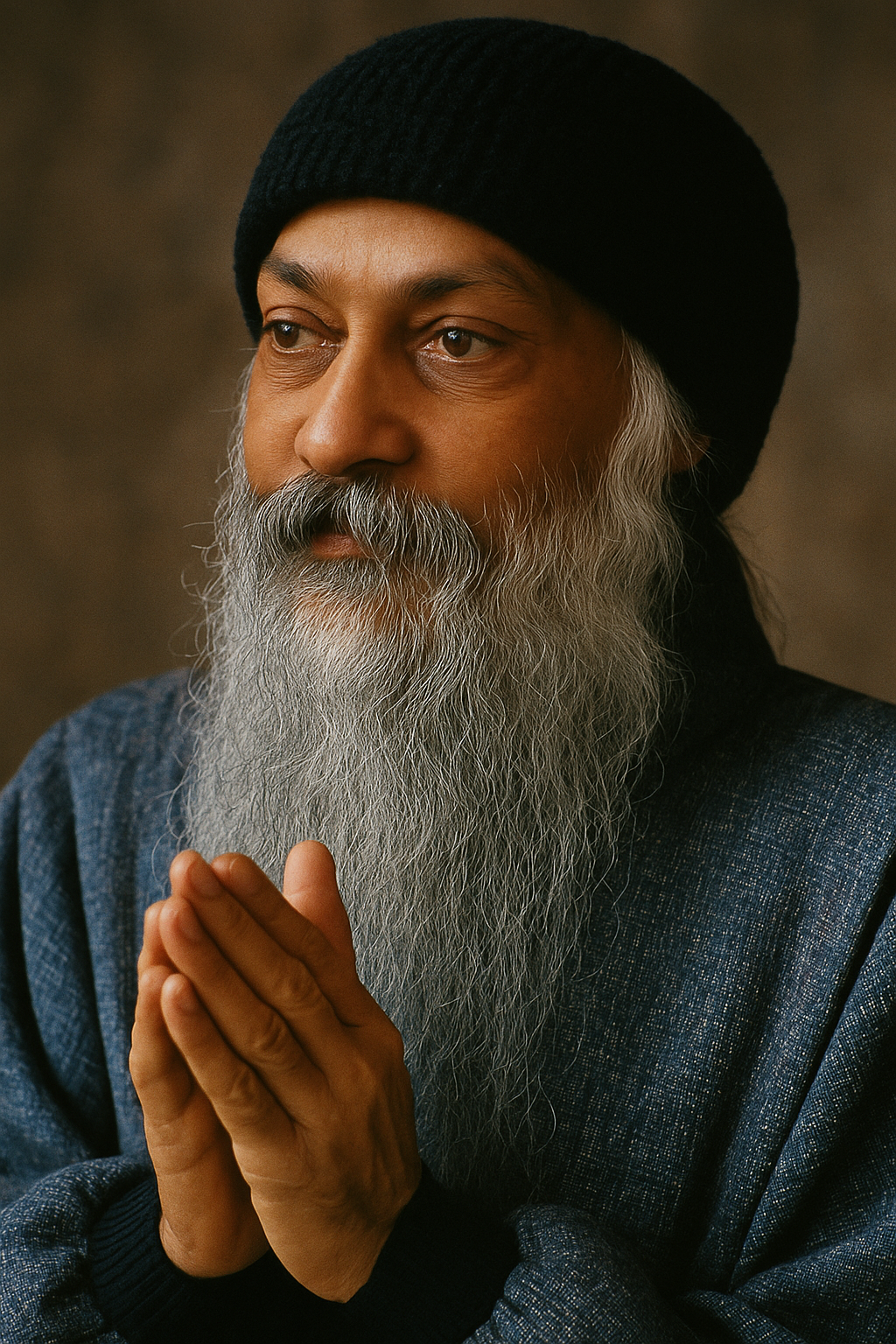
Most of us believe fluent speech comes from quick thinking, clever ideas, or a sharp tongue. We chase books on persuasion, rehearse perfect phrases, and try to dazzle with polished opinions. But if you’ve ever listened to someone like Osho Rajneesh speak — so fluidly, effortlessly, with words rising and falling like gentle waves — you’ll sense that real fluency comes from somewhere else entirely.
It begins with stillness.
True fluency isn’t the result of crowding your mind with rehearsed lines. It comes from emptying it enough so something deeper can flow through. Osho spoke with such ease because he trusted the quiet space inside him. He paused without fear, let silences breathe, and allowed words to surface naturally. In those moments, speech felt less like performance and more like discovery.
So how can we touch this for ourselves? Not to become some imitation guru, but to find our own natural, unforced voice. Here’s a simple practice to try — ten to fifteen minutes a day — that nurtures both inner calm and outward expression.
1. Begin with quiet (1-2 minutes)
Sit comfortably. Close your eyes or soften your gaze. Notice your breath as it moves in and out. Thoughts will drift by. Let them. Don’t chase them or push them away. Just watch. This small ritual stills the mind’s restless waters.
2. Ask a gentle question (3-5 minutes)
Pick one open, searching question and speak your thoughts aloud, slowly, as if confiding in a trusted friend. Let your voice explore without hurrying to conclusions.
Questions to begin with:
- What does it mean to truly live?
- Where do my fears come from?
- Why do simple things make me happiest?
- Who am I without my ambitions?
- How does forgiveness change me?
Don’t aim for cleverness. Just honesty.
3. Add a small story or image (3-5 minutes)
Bring in a short memory or simple picture. It might be something from your childhood, or a scene from nature.
You might say:
“When I was ten, I stood in the garden at dusk watching fireflies. I didn’t want to catch them, only to watch. Perhaps wisdom is like that — something to marvel at, not possess.”
Stories and metaphors soften the mind’s grip, letting your words wander more freely.
4. Close with stillness and a final line (1-2 minutes)
Pause again. Let what you’ve spoken settle inside you. Then offer a single closing thought, however simple.
“Maybe living well is just learning to stand steady inside, no matter how much swirls outside.”
Why this works
Because it reverses our usual approach. Instead of stacking up arguments and polishing points, you create space first. In that spaciousness, words come unforced, authentic, even poetic at times.
You’ll notice that the more you practise this, the less you fear silence. You start to trust that something worthwhile will emerge. And often it does — not because you strained for it, but because you didn’t.
 Maq Masi Blog
Leave a comment